
The Role of Religion in Ethical Leadership
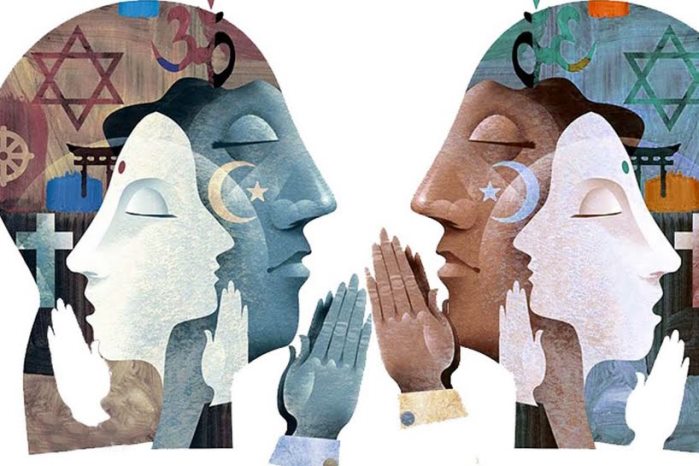
Ethical leadership is essential for fostering trust, integrity, and fairness in society. Whether in politics, business, or community organizations, strong leadership requires a foundation of moral principles that guide decision-making. Throughout history, religious values have played a significant role in shaping ethical leaders, providing a moral compass that influences their actions. The integration of faith in ethical leadership continues to be a subject of discussion, as many leaders draw upon their spiritual beliefs to navigate complex ethical dilemmas.
The Influence of Moral Guidance from Religion
Religious traditions offer profound ethical teachings that have shaped societies for centuries. Leaders who incorporate moral guidance from religion into their leadership approach often prioritize values such as honesty, compassion, and accountability. These principles transcend religious boundaries and resonate with diverse communities.
In many traditions, moral leadership is not simply about following rules but about embodying virtues that inspire others. Christianity, for example, emphasizes servant leadership—putting the needs of others before oneself. In Buddhism, ethical leadership is tied to the concept of right conduct and mindfulness. Islam highlights justice and responsibility as essential qualities of a leader. Across these different faiths, the central idea remains the same: ethical leadership requires selflessness, integrity, and a commitment to the greater good.
Leaders who ground their actions in moral values tend to earn the trust of their followers. Ethical leadership fosters transparency, encourages collaboration, and ensures that decisions align with a broader sense of justice. By integrating spirituality in leadership ethics, leaders can create a work or social environment that prioritizes ethical conduct over short-term gains.
The Role of Spirituality in Leadership Ethics
While formal religious affiliation is not a requirement for ethical leadership, spirituality in leadership ethics provides a framework for moral reasoning. Spirituality, in this sense, does not necessarily refer to religious dogma but rather a deep commitment to ethical principles and a sense of higher purpose.
Many successful leaders draw upon spiritual concepts such as humility, gratitude, and empathy to guide their decision-making. These qualities help them navigate difficult choices while maintaining their integrity. A leader who values humility, for example, is more likely to listen to diverse perspectives and admit when they are wrong. One who practices gratitude fosters a culture of appreciation and respect. Empathy, in turn, allows leaders to understand the needs of their teams and communities.
Ethical leadership is not about perfection but about striving for continuous moral growth. When leaders cultivate a spiritual perspective, they recognize their responsibilities beyond personal ambition. They seek to uplift others, create a fairer society, and leave a legacy of ethical decision-making.
Religion-Driven Moral Responsibility in Leadership
Leaders who embrace religion-driven moral responsibility often view their positions as a form of stewardship. They recognize that leadership is not just about power or authority but about serving others with integrity. This perspective fosters a sense of duty that encourages ethical behavior even in challenging situations.
Throughout history, many influential leaders have credited their religious values with shaping their leadership approach. Figures such as Mahatma Gandhi, Nelson Mandela, and Martin Luther King Jr. were deeply influenced by their spiritual beliefs, using them as a foundation for justice, nonviolence, and human rights advocacy. Their leadership was not only ethical but transformative, inspiring positive change on a global scale.
Even in modern corporate settings, ethical leadership rooted in religious values can lead to a culture of integrity. Business leaders who prioritize fairness, sustainability, and ethical decision-making often draw upon moral principles that align with religious teachings. They recognize that their success is not solely defined by profit margins but by their ability to make a positive impact on society.
Balancing Faith and Ethical Leadership in a Diverse Society
In a multicultural and pluralistic world, leaders must navigate the delicate balance between personal faith and inclusivity. While faith in ethical leadership can be a powerful guiding force, ethical leaders must also respect the diverse beliefs of those they serve.
The key to ethical leadership is not enforcing religious beliefs but embracing the universal moral values that religions uphold. Integrity, kindness, justice, and responsibility are not exclusive to any one faith; they are shared ideals that can unite people across different backgrounds.
By focusing on ethical principles rather than religious doctrine, leaders can create environments where individuals of all beliefs feel valued and respected. Ethical leadership thrives when it is built on mutual understanding, open-mindedness, and a commitment to fairness.
The role of religion in ethical leadership is undeniable. Throughout history, moral guidance from religion has shaped some of the world’s most inspiring leaders, providing them with a foundation of integrity and service. Whether through spirituality in leadership ethics or a sense of religion-driven moral responsibility, ethical leaders recognize their duty to act with honesty, fairness, and compassion.
In a world where ethical leadership is more important than ever, the principles of faith continue to offer valuable insights. When guided by universal moral values, leaders can inspire trust, drive meaningful change, and leave a lasting impact on society.


