Islamic Donations and the Meaning of Giving Beyond Financial Contributions
The Many Ways Charity Can Make a Difference
- Islamic giving is rooted in sincere intention, compassion and a desire to support others.
- Charity can take many forms, including financial contributions, sharing knowledge, volunteering and everyday acts of kindness.
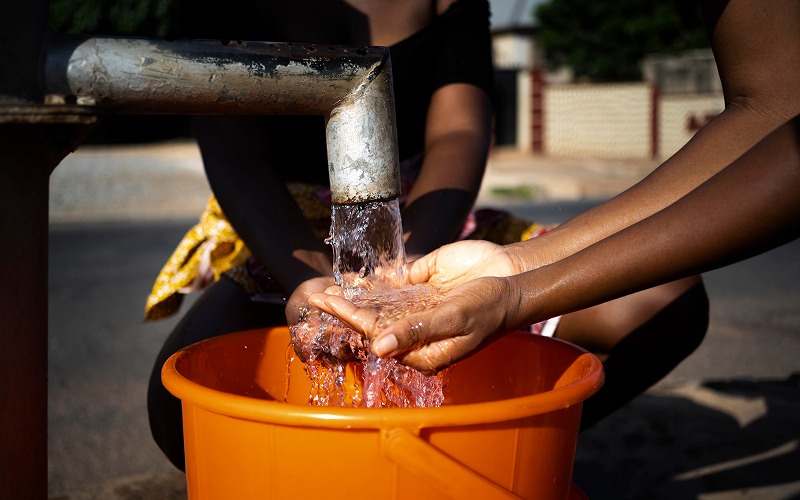
- Donating towards clean water projects can help communities access an essential resource for drinking, cooking and hygiene.
- Responsible giving involves understanding a charity’s work, its beneficiaries and how donations are used.
- Regular acts of generosity can encourage a lasting sense of social responsibility and community care.
The Value of Giving in Ways That Reach Beyond Money
Giving is often associated with handing over money or providing material goods. Yet, its meaning can extend much further. In Islam, charity reflects compassion, responsibility and concern for the well-being of others. It encourages people to consider how their actions can ease hardship and support those who need help.
An Islamic donation is therefore not only about the amount contributed. It is also about the intention behind the act and the difference it can make to another person’s life. Financial contributions can help provide essential resources, while other forms of kindness, time and practical support can also carry great value.
Clean water is one example of how charitable giving can meet a basic human need. Access to safe water affects health, hygiene, education and daily routines. When communities lack reliable sources, even simple tasks can become difficult. Supporting water projects allows donors to contribute towards a need that affects families every day.
Why Does Islamic Giving Place Such Importance on Intention?
In Islam, the intention behind an act of charity matters. Giving is encouraged as an expression of sincere care rather than a way to seek recognition or praise. This understanding gives charitable acts a meaning that goes beyond their financial value.
Sadaqah, or voluntary charity, is one way Muslims can support people facing hardship. It can take many forms, including financial assistance, sharing useful knowledge, offering help and showing kindness. These acts reflect the idea that generosity does not depend solely on wealth.
This broader understanding also makes charitable giving more accessible. Someone with limited financial means may still help a neighbour, share a skill or offer their time to a community effort. A person who can afford to contribute financially may support a wider initiative that reaches people they may never meet.
An Islamic donation can therefore be part of a wider commitment to social responsibility. Its value lies not only in what is given, but also in the intention to help others and the care taken to ensure that support reaches those who need it.
How Can Clean Water Donations Improve Everyday Life?
Clean water is essential for drinking, preparing food, washing and maintaining personal hygiene. Yet, some communities still face difficulties accessing safe and dependable water sources. Families may need to travel long distances to collect water or rely on supplies that are not consistently safe.
These challenges affect more than convenience. Limited access to clean water can increase the risk of waterborne illnesses and make it harder for children to attend school regularly. It can also place a heavy burden on adults who spend hours each day collecting water instead of working or caring for their families.
Choosing to donate a clean water contribution can help support projects that address these needs. Depending on the programme, donations may help fund water points, wells or other forms of water infrastructure. The aim is to make access to water more reliable and reduce the difficulties communities face.
The impact can extend across generations. When a community has a dependable water source, families may spend less time collecting water and have more opportunities to focus on education, work and other daily responsibilities. Clean water can also support better hygiene practices and healthier living conditions.
What Should Donors Consider Before Supporting a Water Project?
Charitable giving requires trust. Before making an Islamic donation, it is worth understanding how a charity manages contributions and what its projects aim to achieve. This helps donors make informed decisions and feel more confident about the support they provide.
A useful starting point is to review the organisation’s official information. Look for a clear explanation of the project, its intended beneficiaries and the type of work the donation supports. It is also helpful to understand whether the initiative focuses on immediate water access or longer-term infrastructure.
Water projects need more than initial funding. Their continued value can depend on suitable construction, local conditions, maintenance and the involvement of the community. A water source must remain usable if it is to provide lasting support.
Donors should also consider whether the charity explains its work clearly. Information about project delivery, updates and the use of funds can help build confidence. No donation can solve every challenge a community faces, but thoughtful contributions can support practical efforts to improve access to essential resources.
Can Giving Become a Lasting Part of Everyday Compassion?
Charity does not need to be limited to special occasions or large financial contributions. It can become part of everyday life through regular acts of kindness and a willingness to respond when others need help.
For Muslims, this may include giving sadaqah, supporting humanitarian projects or helping people within their own communities. Some may choose to donate a clean water contribution during Ramadan or another meaningful occasion, while others may prefer to give throughout the year. The timing may differ, but the intention to help remains important.
It is also worth remembering that generosity can inspire others. When people see charitable efforts making a practical difference, they may feel encouraged to take part. Families can discuss giving together, while community groups can organise activities that support people facing hardship.
This approach creates a wider understanding of charity. Money can provide resources, but empathy, time and shared responsibility help build the relationships that make communities stronger. Giving becomes more meaningful when it forms part of a consistent effort to care for others.
Let Every Act of Giving Carry a Purpose
Islamic charity reminds us that generosity is measured by more than the amount we give. A sincere act of kindness can support another person, ease a difficult situation or help meet a basic need. Clean water projects show how financial contributions can become practical support for entire communities.
Whether through sadaqah, volunteering or an Islamic donation, every act of giving can reflect compassion and responsibility. Contact us at Global Ehsan Relief to learn more about its clean water appeal and how you can contribute to efforts that help communities access this essential resource.