
Innovative Ways to Improve Education Today
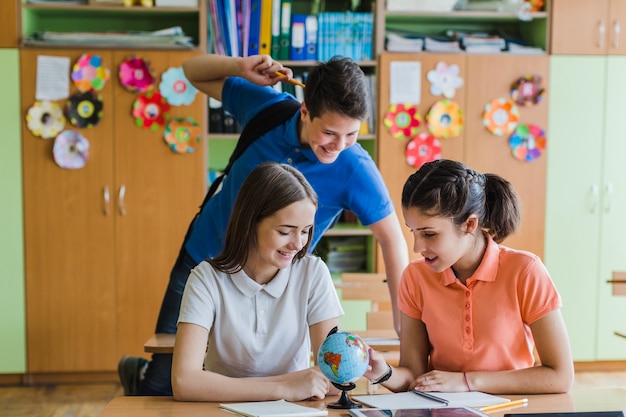
In today’s rapidly evolving world, the landscape of education is transforming at an unprecedented pace. Traditional methods of teaching are being reimagined, giving rise to fresh approaches that resonate with digital natives and lifelong learners alike. By embracing innovative teaching methods and cutting-edge technology, educators are creating dynamic learning environments that foster creativity, critical thinking, and collaboration. These changes not only enhance student engagement but also prepare them for the multifaceted challenges of the future.
Rethinking the Classroom
Modern classrooms are evolving from static, teacher-centered spaces into interactive hubs of discovery. To truly boost classroom engagement, educators are shifting toward student-centric models that prioritize inquiry, dialogue, and hands-on experiences. One effective strategy is the integration of project-based learning, where students work in teams to solve real-world problems. This method not only deepens their understanding of academic concepts but also builds vital skills such as teamwork and communication.
Incorporating technology, such as interactive whiteboards, digital simulations, and virtual reality experiences, has become indispensable in today’s educational paradigm. These tools provide immersive experiences that help students visualize complex theories and engage with material in a more meaningful way. The combination of modern learning strategies with traditional pedagogical techniques creates a hybrid approach that caters to diverse learning styles, ensuring that every student finds a method that resonates with them.
Empowering Through Personalized Learning
Personalized learning is at the forefront of educational innovation. By tailoring instruction to individual needs, strengths, and interests, educators can create a more inclusive and effective learning environment. Adaptive learning software and artificial intelligence tools analyze student performance in real time, enabling teachers to modify lessons dynamically. This personalized approach not only increases academic achievement but also fosters a love for learning.
Implementing education improvement tips such as regular formative assessments and feedback loops helps track progress and adjust teaching methods accordingly. When students receive personalized feedback, they understand their unique learning trajectory and are more motivated to overcome challenges. This tailored approach empowers students to take charge of their education, instilling confidence and promoting a growth mindset.
Collaborative Learning Environments
The digital age has revolutionized the way students interact and learn together. Online platforms, virtual classrooms, and collaborative tools have made it easier than ever for students to work together, share ideas, and support one another. Creating an environment that promotes peer-to-peer learning is essential for boosting classroom engagement and developing interpersonal skills that are critical in the modern world.
Encouraging group projects, discussion forums, and interactive breakout sessions can transform the learning process into a collective endeavor. When students collaborate, they benefit from diverse perspectives and learn to appreciate the value of teamwork. Such experiences not only deepen their understanding of the material but also prepare them for future professional environments where collaboration is key.
Integrating Multidisciplinary Approaches
One of the most exciting developments in education is the convergence of disciplines. Integrating subjects like art, technology, and science creates a richer, more comprehensive learning experience. Multidisciplinary approaches encourage students to make connections between seemingly disparate fields, enhancing their critical thinking and problem-solving skills.
For instance, a lesson that combines literature with digital media can teach students not only to analyze a text but also to express their interpretations through creative multimedia projects. This blend of modern learning strategies and creative expression opens up new avenues for exploration and innovation. By fostering an interdisciplinary mindset, educators can equip students with the versatile skills needed in today’s complex world.
Rethinking Assessment and Feedback
Traditional exams and standardized tests often fail to capture the full spectrum of a student’s abilities and understanding. To truly foster intellectual growth, educators are experimenting with alternative forms of assessment that focus on continuous improvement rather than final grades. Portfolios, peer reviews, and project-based evaluations provide a more holistic view of student progress and encourage ongoing learning.
Incorporating education improvement tips into the assessment process, such as self-reflection exercises and constructive feedback sessions, helps students recognize their strengths and identify areas for improvement. This ongoing dialogue between teachers and students creates a supportive learning environment that motivates students to excel and strive for continuous growth.
The Role of Creativity in Learning
Creativity is an indispensable component of modern education. It fuels innovation, drives problem-solving, and enhances the overall learning experience. Innovative teaching methods that incorporate creative challenges—such as design thinking, brainstorming sessions, and creative writing workshops—can stimulate student imagination and encourage out-of-the-box thinking.
Encouraging students to approach problems creatively allows them to develop unique solutions and think critically about the world around them. When creativity is woven into the fabric of the curriculum, it transforms learning from a routine task into an exciting journey of exploration. These creative exercises not only improve academic performance but also prepare students for the unpredictable challenges of the future.
The future of education is being shaped by a blend of tradition and innovation. Through modern learning strategies, innovative teaching methods, and effective education improvement tips, the classroom is evolving into a dynamic, interactive space that nurtures both intellectual and personal growth. By fostering a culture of personalized learning, collaborative engagement, and creative exploration, educators can build environments where every student is empowered to reach their full potential.
As we navigate this exciting new era of education, it is essential to remain adaptable and open to change. The transformation of learning is not merely a response to technological advancements; it is a fundamental shift toward a more inclusive, engaging, and holistic approach to education. Embrace these strategies, and let the journey of learning become a lifelong adventure filled with discovery, growth, and boundless opportunities. Happy learning, and may your educational journey be as enriching and inspiring as the knowledge you seek!


