
The Ethical Impact of Religious Rituals
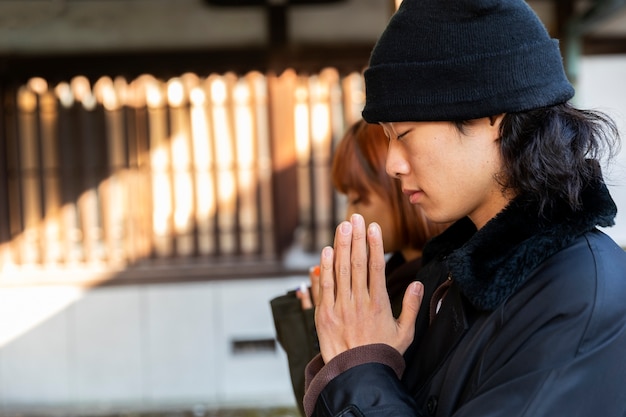
Religious rituals are more than just ceremonial acts. They serve as powerful ethical compasses that shape individual character and community values. Rooted in centuries-old traditions, these practices instill a deep sense of morality, responsibility, and respect for life. Across faiths and cultures, rituals and ethical principles intertwine, guiding believers toward righteous living and reinforcing the shared moral fabric of society.
The Moral Foundations of Religious Rituals
At their core, religious rituals are designed to cultivate ethical awareness. Whether through prayer, fasting, charity, or communal worship, these sacred acts reinforce values such as honesty, humility, and compassion. Repetitive participation in rituals fosters discipline, ensuring that moral ideals become an intrinsic part of daily life.
For instance, the Islamic practice of fasting during Ramadan is not merely about abstaining from food. It is a profound exercise in self-restraint, empathy for the less fortunate, and personal reflection. Similarly, the Christian sacrament of confession teaches accountability, urging believers to acknowledge their shortcomings and strive for moral improvement.
Through these faith-driven moral ceremonies, individuals internalize ethical principles, making them second nature rather than abstract ideals.
Rituals as Acts of Compassion and Social Responsibility
Many religious traditions emphasize acts of service as a core component of their rituals. From Hindu pujas that include food offerings to the needy to Buddhist meditation practices promoting inner peace and non-violence, rituals often extend beyond personal spirituality and influence broader societal ethics.
In Sikhism, the concept of Langar—a community kitchen providing free meals to all—exemplifies how religious rituals can foster equality and social justice. This practice is not just about sharing food; it embodies the fundamental belief in the dignity of all human beings, regardless of caste, religion, or social status.
Such spirituality in religious practices ensures that faith remains a force for positive ethical change, urging adherents to actively contribute to the well-being of others.
Sacred Traditions and Ethical Discipline
Ethical discipline is cultivated through repetition and mindfulness, which is why rituals play a vital role in shaping moral character. Whether through daily prayers, weekly congregational gatherings, or annual pilgrimages, religious traditions reinforce ethical behavior through structured, meaningful actions.
In Judaism, observing the Sabbath is not only an act of devotion but also a weekly practice in balance, gratitude, and respect for rest. By refraining from work and focusing on family, faith, and reflection, Jewish communities uphold a sacred principle of ethical living that values harmony and well-being.
Similarly, Buddhist mindfulness rituals, such as Vipassana meditation, emphasize awareness and ethical conduct. The practice encourages individuals to recognize the consequences of their actions, leading to greater self-awareness and moral responsibility.
This alignment between ethics in sacred traditions and everyday conduct ensures that religious teachings are not merely theoretical but actively integrated into life’s decisions.
Religious Ceremonies and Ethical Leadership
Leadership within religious communities often emerges from those deeply engaged in ritual practices. The discipline and moral clarity developed through rituals prepare individuals for roles in guiding others, making ethical leadership a natural outcome of sustained religious commitment.
For example, Hindu priests undergo rigorous training in Vedic scriptures and rituals, ensuring that their leadership is not only spiritual but also deeply ethical. Similarly, Christian clergy members take vows of service, humility, and integrity, holding themselves to high moral standards.
By fostering ethical responsibility, faith-driven moral ceremonies shape leaders who serve as role models for their communities. These individuals uphold values of justice, kindness, and honesty, influencing others to follow suit.
The Transformative Power of Rituals in Ethical Living
Beyond structured ceremonies, everyday rituals—such as morning prayers, lighting candles, or reciting sacred texts—serve as gentle reminders of ethical duties. These small but significant acts reinforce integrity, patience, and gratitude, ensuring that morality remains a constant guide.
Many indigenous traditions emphasize the ethical relationship between humanity and nature through rituals of gratitude and stewardship. In Native American spiritual practices, ceremonies honoring the land and animals foster a deep respect for the environment, teaching sustainability and responsibility toward future generations.
This integration of rituals and ethical principles demonstrates that morality is not separate from spirituality but an essential expression of faith.
Religious rituals are not mere traditions of the past; they continue to shape ethical consciousness in profound ways. Through prayer, fasting, service, and reflection, they mold individuals into morally responsible members of society. Spirituality in religious practices ensures that ethics remain deeply embedded in daily life, guiding decisions and interactions with others.
As communities engage in ethics in sacred traditions, they uphold values of kindness, fairness, and justice, ensuring that faith is not just a personal journey but a force for collective good. Whether through communal ceremonies or personal acts of devotion, rituals will always serve as powerful conduits of morality, inspiring generations to lead with integrity and compassion.


