
Tips for Pet-Friendly Gardening
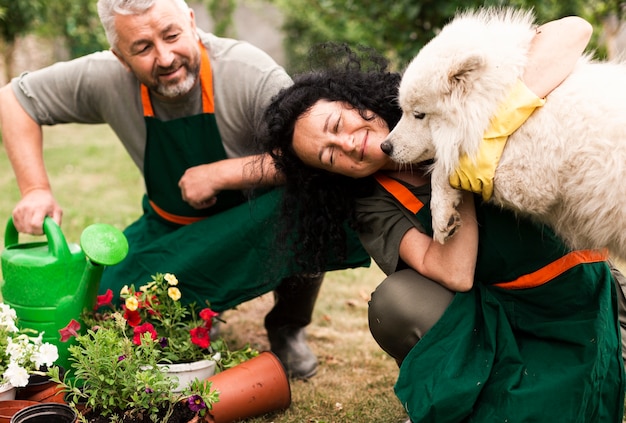
Creating a lush, vibrant garden is a joy for many homeowners, but if you have pets, it’s essential to ensure your outdoor space is safe and enjoyable for them too. Whether you have a curious cat, a playful dog, or even a small rabbit that loves to explore, a pet-friendly garden can provide a safe haven for both plants and animals. With the right approach, you can garden safely for pets while maintaining a beautiful and thriving landscape.
1. Choose Safe Plants for Pets
Not all plants are pet-friendly, and some common garden varieties can be toxic if ingested. When planning your garden, opt for greenery that won’t pose a health risk.
✔ Pet-safe flowers – Marigolds, sunflowers, petunias, and roses add color without danger.
✔ Non-toxic herbs – Basil, thyme, rosemary, and mint are excellent choices that are safe for pets and useful in cooking.
✔ Grass alternatives – Instead of traditional grass, consider clover or creeping thyme, which are gentle on paws and easy to maintain.
Avoid planting lilies, azaleas, sago palms, or foxgloves, as they are highly toxic to pets. Checking the ASPCA’s toxic plant list before adding new greenery ensures a pet-proof garden that keeps your furry friends safe.
2. Create Barriers and Boundaries
Some pets have a natural inclination to dig, nibble, or trample plants. To prevent damage and protect them from hazards, establish clear garden boundaries.
✔ Raised beds – Elevating your flower beds keeps them out of reach while adding visual appeal.
✔ Decorative fencing – Low picket fences or wire barriers around delicate plants deter pets without disrupting the garden’s charm.
✔ Paved pathways – Encourage pets to walk along designated paths by using smooth stones, bricks, or mulch that’s gentle on paws.
These pet-proof garden tips help keep plants intact while directing your pets toward safe play areas.
3. Avoid Harmful Chemicals and Fertilizers
Many pesticides, herbicides, and chemical fertilizers contain substances that can be dangerous if ingested or absorbed through the skin. Opt for organic and pet-friendly alternatives to maintain a chemical-free garden.
✔ Natural pest control – Use ladybugs, neem oil, or a simple mixture of vinegar and water to keep pests away.
✔ Safe fertilizers – Compost, seaweed, and bone meal enrich the soil without introducing harmful toxins.
✔ Pet-friendly mulch – Opt for cedar or straw instead of cocoa mulch, which contains theobromine, a compound toxic to dogs.
By switching to natural gardening methods, you ensure outdoor pet care without compromising plant health.
4. Design a Pet-Safe Play Area
Your garden should be a space where pets can roam freely without encountering dangers. Dedicate a specific section where they can dig, roll, or bask in the sun without damaging your plants.
✔ Soft ground cover – Grass, sand, or fine bark provide comfortable surfaces for lounging and play.
✔ Shady retreats – Tall shrubs, pergolas, or pet-safe plants like ferns create cool spots for relaxation.
✔ Interactive elements – Incorporate agility tunnels, climbing structures, or water features to keep pets entertained.
Encouraging designated activity zones minimizes disruptions to your plants while enhancing outdoor pet care.
5. Be Mindful of Water Features
If your garden includes a pond, fountain, or birdbath, take precautions to ensure your pets’ safety.
✔ Shallow water bowls – Provide fresh water in easily accessible dishes to discourage pets from drinking from ponds.
✔ Secure pond edges – Use fencing or natural barriers to prevent accidental falls.
✔ Mosquito control – Keep water moving with small fountains to prevent mosquito breeding without using chemical repellents.
With these adjustments, your water features remain a refreshing yet safe part of your pet-proof garden.
6. Address Digging and Chewing Behaviors
Some pets love to dig, chew, or pull up plants, which can be frustrating for gardeners. Redirect their instincts to prevent garden destruction.
✔ Provide a digging zone – Fill a sandbox or loose soil area where dogs can dig freely.
✔ Use deterrents – Citrus peels, coffee grounds, or vinegar sprays can help deter chewing and digging.
✔ Offer alternatives – Chew toys and enrichment activities can distract pets from nibbling on plants.
Understanding and accommodating your pet’s behavior ensures a balance between their needs and maintaining a pet-proof garden.
7. Watch Out for Seasonal Hazards
Different seasons bring unique challenges when it comes to outdoor pet care.
✔ Summer – Ensure pets have shaded areas and access to cool water to prevent overheating.
✔ Winter – Use pet-safe ice melt on pathways to protect


